As a family practice Naturopathic doctor for 17 years and treating hundreds of patients, I’ve noticed that conditions tend to follow a similar theme. There’ll be periods of time when I’ll see a series of patients who are all working on thyroid-related symptoms, patients who all happen to need assistance with balancing their blood sugar, or a stream of women all wanting help with their hormones.
Interestingly, since COVID appeared I've consistently been treating patients who are dealing with conditions or symptoms all related to stress. No matter what the individual symptoms are, the root cause is often related to their levels of stress and their body's inability to manage it.
There are multiple kinds of stress. Four major types are Environmental, Chemical, Physical, and Emotional. Each type can affect different parts of the body, have different symptoms, or require their own treatment approach.
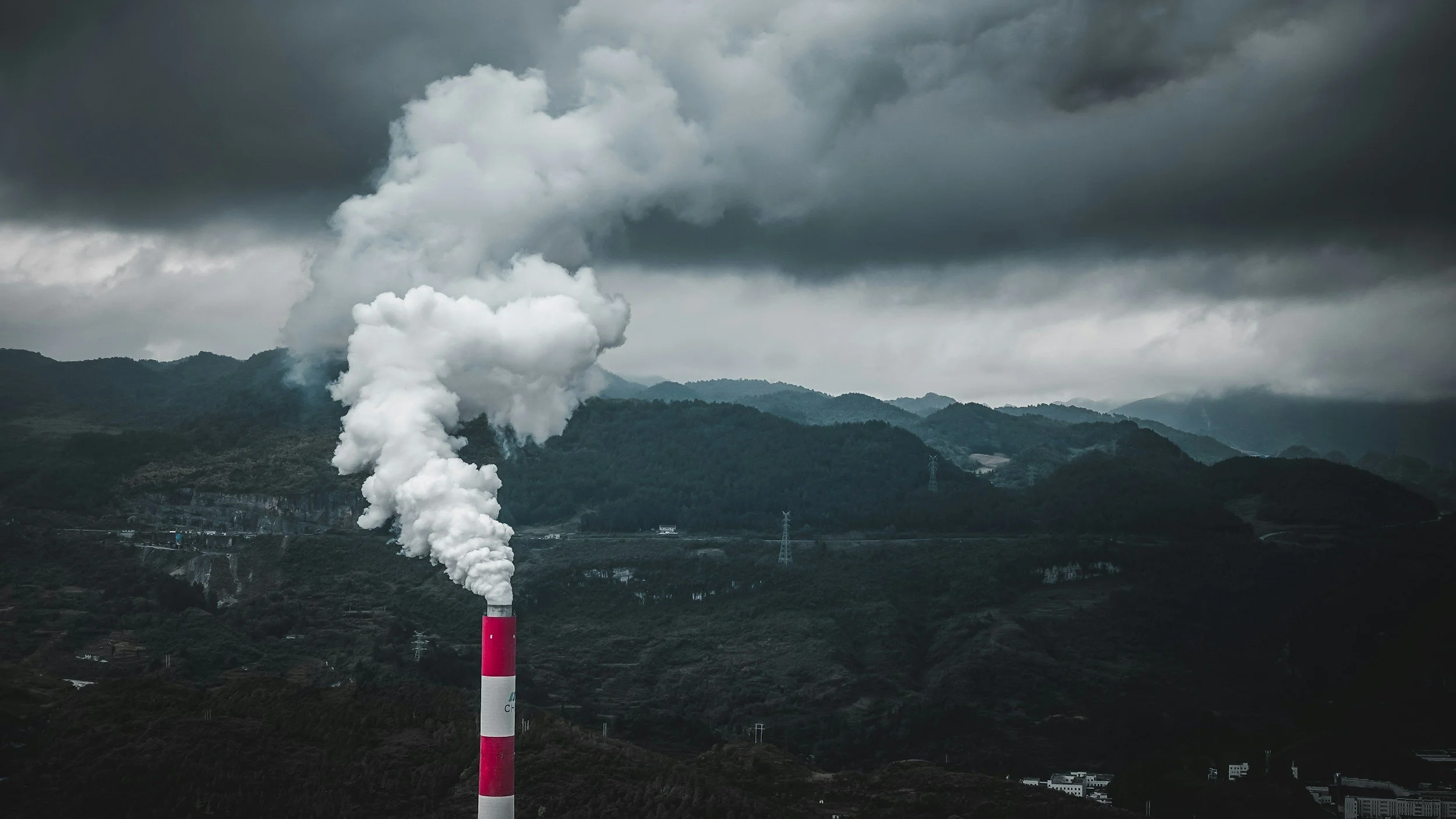
Environmental Stressors come from pollutants in the air and enter the body though the lungs or skin. When we inhale toxins or they come through the pores, it can cause damage to our cells. Long-term exposure can cause symptoms like difficulty with breathing, shortness of breath, allergies, or asthma.
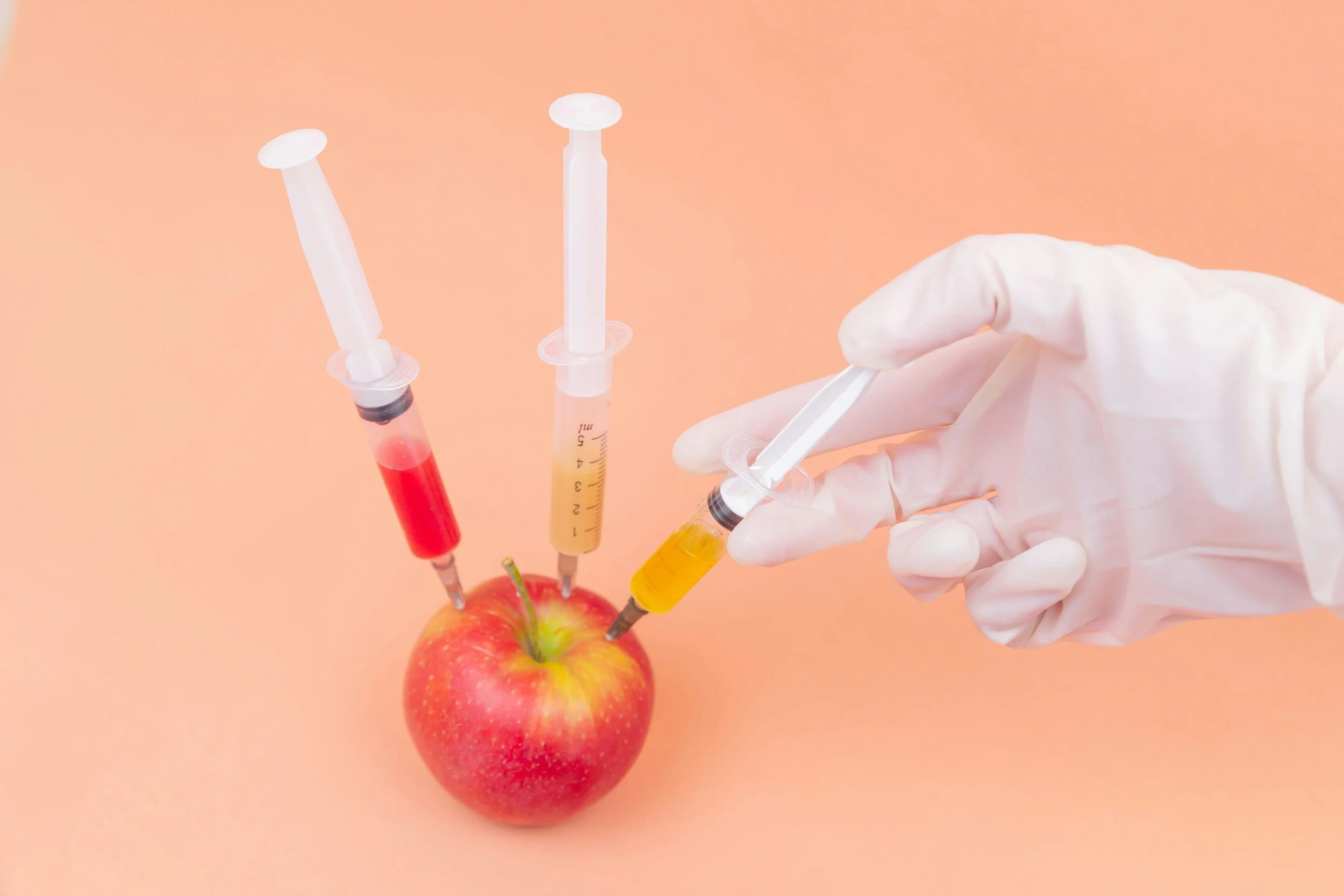
Chemical Stressors tend to come from things we eat or drink. Chemicals, plastics, toxins, drugs, alcohol, and excess sugars or saturated fats can all negatively affect the body in a variety of ways. These stressors can cause symptoms like stomach upset or headaches, or it can even get deeper into the system and negatively affect hormone balance.
Both environmental and chemical stress affect the tissues and cells of the body. Toxins can get past the cellular structure and cause damage to cell mitochondria and DNA, affecting overall cell functionality.
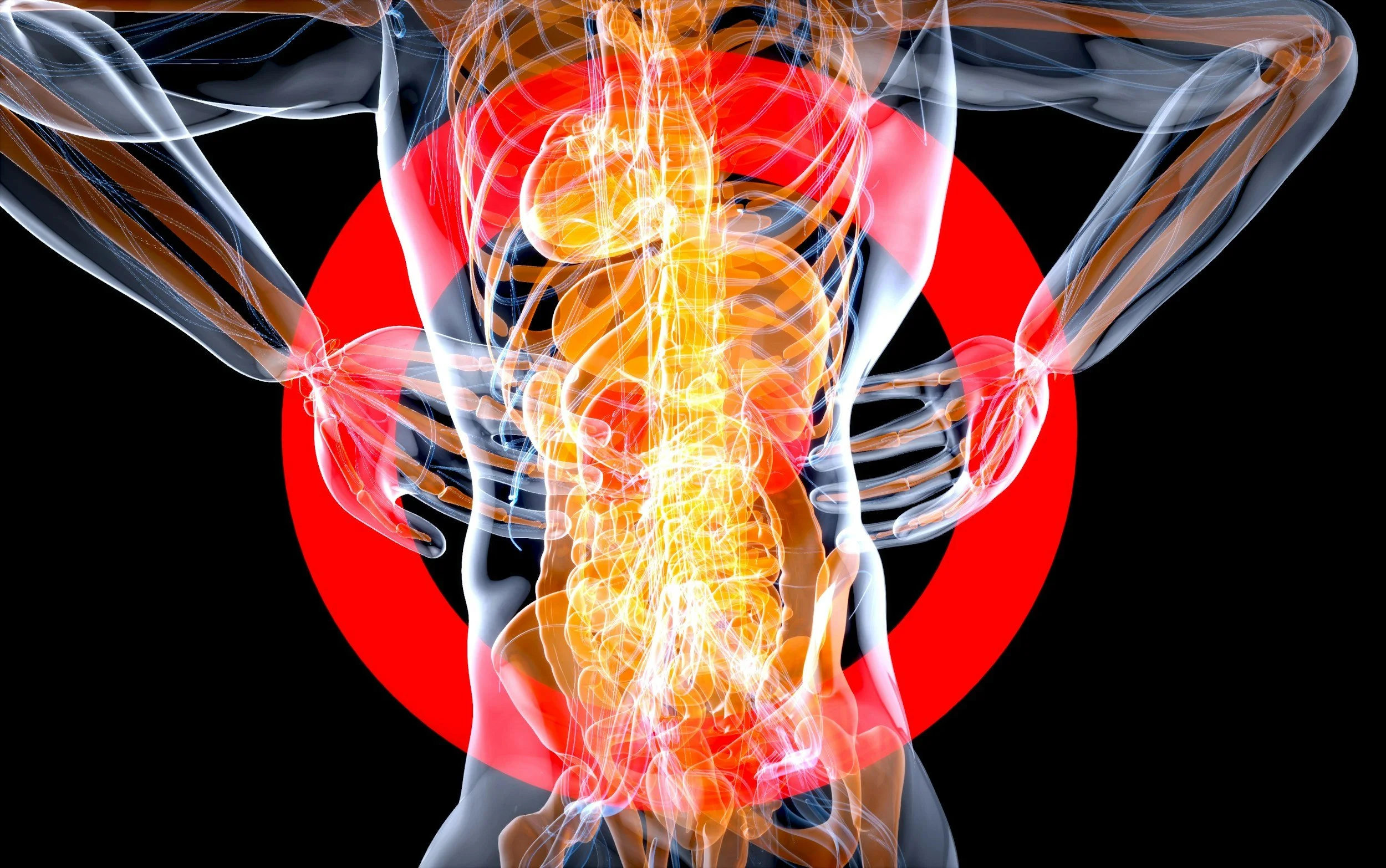
On the other hand, Physical Stress affects the body through inflammation. When you work your body too hard (ie extreme athletes or weekend warriors) or too little (like sitting for long periods of time), inflammatory markers are released and can cause wear and tear of the system. Sore joints, chronic pain, and circulatory issues can all be related to physical stressors.
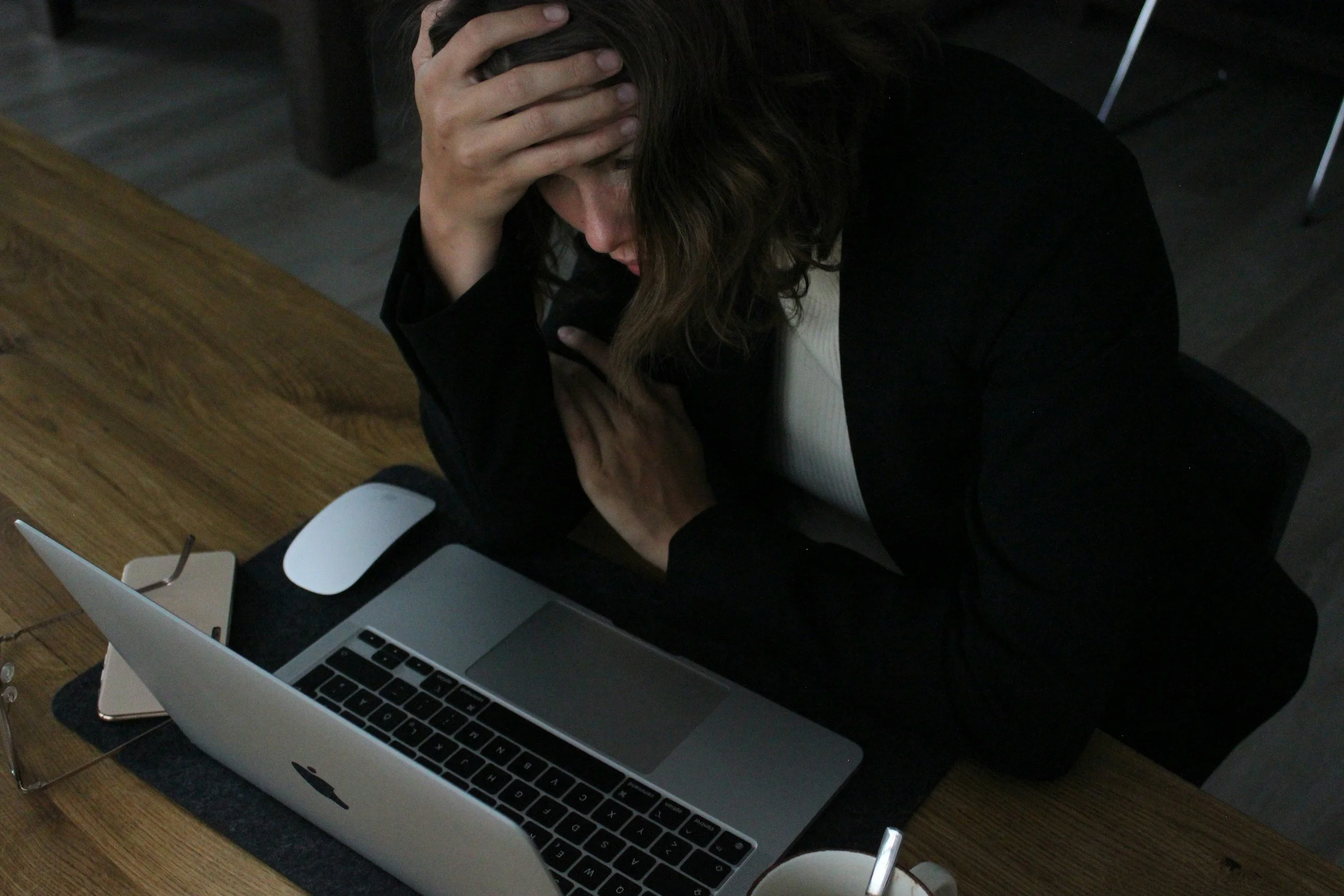
Emotional Stress is possibly one of the most insidious and hard to treat. It may be because emotional stressors can affect all areas of the body and show up in more subtle ways than the other types of stress - all of the organ systems, tissues, individual cells, and even the DNA can be affected by emotional stress. When someone is experiencing general symptoms like chronic headaches or stomach pain, it can be hard to determine the original cause or source.
When your body perceives a danger - whether from you see, hear, feel, or think a possible source of stress - it releases cortisol. Cortisol puts the body into a sympathetic state (aka fight, flight, freeze, or fawn) so you can get to a safe space until the danger passes.
This process works great for short term needs. However, due to modern society's demands we each take on multiple sources of stress every day, this can cause an additive effect and make it hard to the body to rebalance and heal.
One single day can include every type of the stressors listed above. For example: the typical day for an average American starts after having a night of poor sleep, then having a breakfast of coffee and sugary or fried food. They drive through traffic to work a job they minimally enjoy, then rush back home to deal with home stressors. After having a heavy meal for dinner, the day ends by sitting for hours of ‘relaxation’ of either scrolling or binging (or both), before going to bed later than they know they should. This same cycle then continues for the next day, the next week, next month, and so on.
Sound familiar? If this doesn't describe you, it's most likely someone you know. Pretty depressing, right?
The good news is that the body is naturally made to heal itself = it just needs your support! Start by taking a look at your daily habits...
What foods are you eating on a regular basis?
Are you giving your body things to help it work better or are you making it work harder?
Are you giving yourself enough rest on a consistent basis?
Are you taking on more than you should?
Let's face it, we're all under tremendous amounts of stress these days. A lot of it can be outside of our direct control, but it can help to focus on the stressors you can control.
Place priority on areas like your eating habits, movement, sleep, and stress management to offset the negative effects those different types of stress can cause.
Take care of yourself; so your body can keep doing the tough job of not just keeping you alive, but so that you can continue to live your best life.